Search
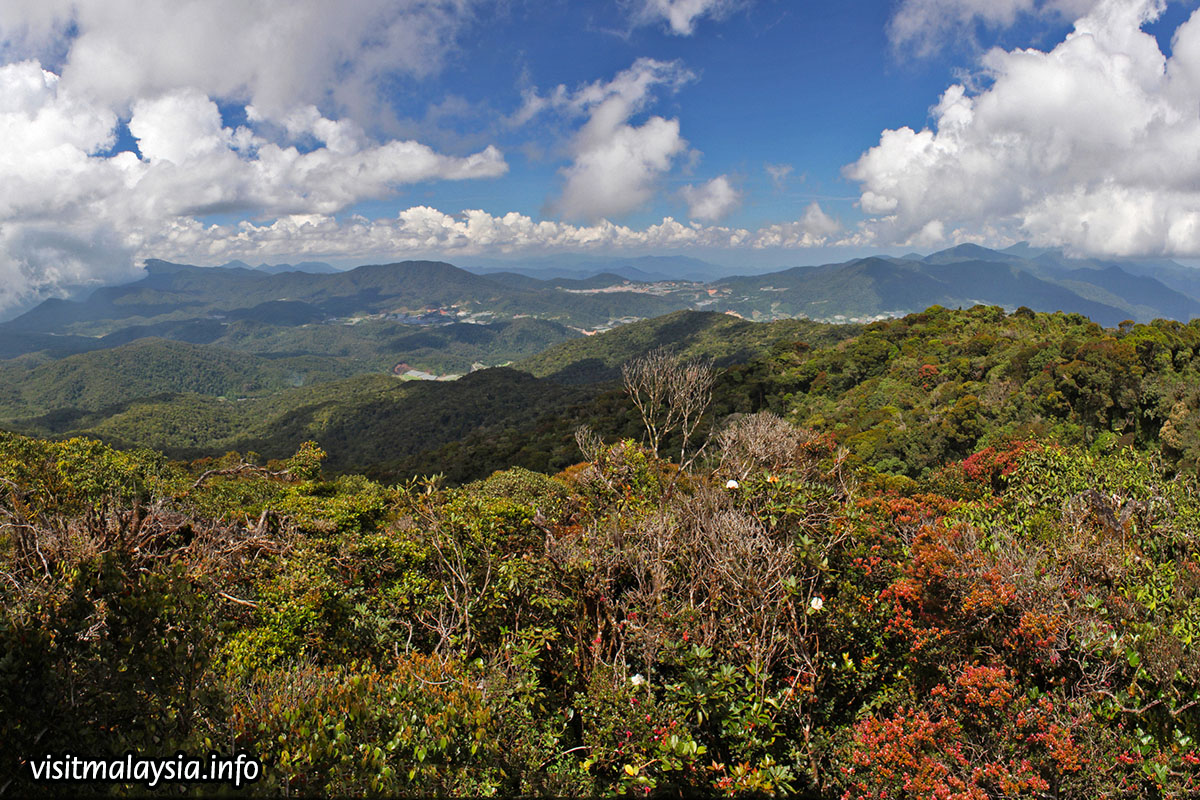
Mossy Forest-view

Cameron Highland

Pahang, Malaysia

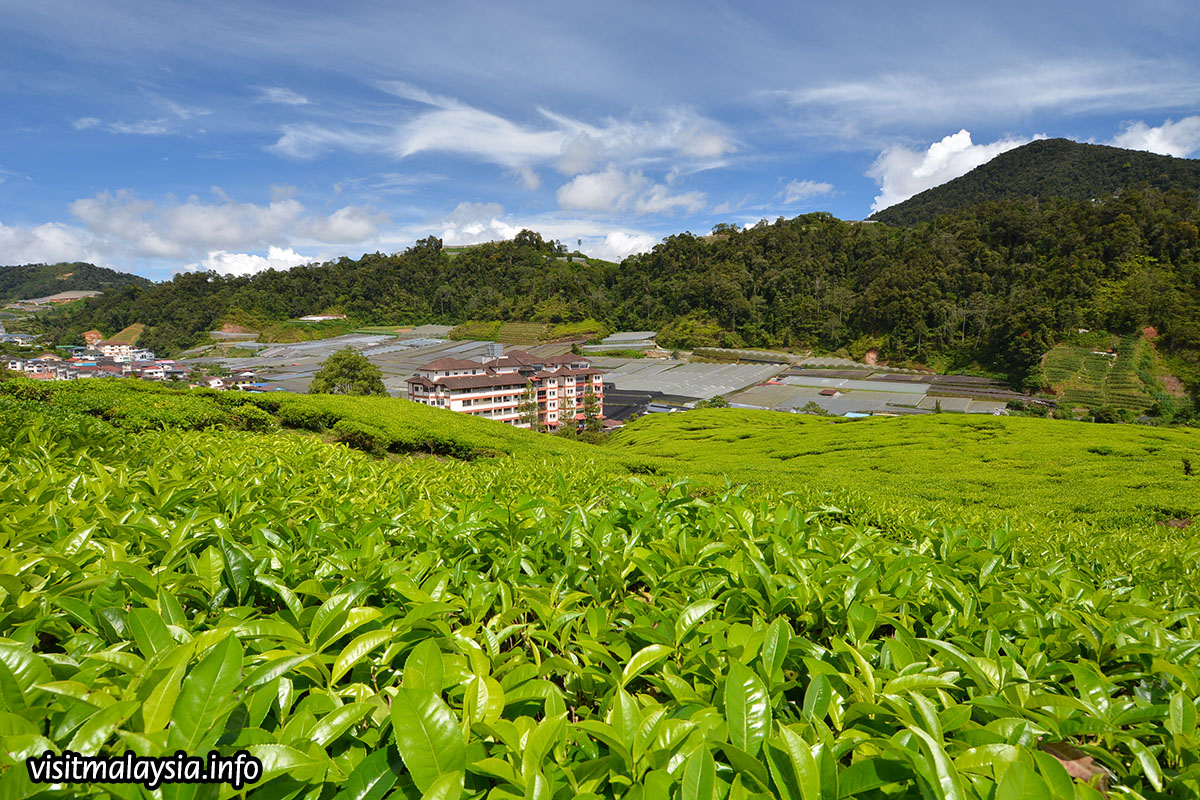
Cameron Highlands is a cool and peaceful highland region known for its rolling tea fields, misty forests and refreshing mountain air.

With temperatures that stay pleasant throughout the year, the area offers a calm escape from busy city life. Visitors come here to enjoy green landscapes, quiet farm villages and relaxing nature experiences.

Index

History

Cameron Highlands was discovered in 1885 by English surveyor William Cameron, under a commission by the colonial government. Forging a path through dense vegetation, he reached a magnificent and sublime plateau ‘shut up in the mountains' along the vast Titiwangsa Range. Yet, the place lay unperturbed for 40 years, until British Administrator Sir George Maxwell developed it as a hill station.

Soon, hotels, schools, homes and even a golf course sprouted overnight, as British and locals settled in. Farmers and tea planters also streamed steadily into the valley, having found its soil to be fertile, and weather encouraging for crops. Today, Cameron Highlands is the leading highland resort destination in the country, supporting a population close to 50,000 people spread over eight interconnecting areas.

Far from rural, the main townships of Tanah Rata and Brinchang are highly developed with a wide range of facilities and services. Hotels, resorts, apartments and shopping blocks tower over the landscape, providing accommodation and leisure activities for its many visitors. Ringlet, Tringkap, Bertam Valley, Kuala Terla and Kampung Raja make up the rest of Cameron Highlands.

These smaller towns and villages concentrate heavily on agricultural activities, consequently retaining most, if not some, of their pastoral feel and countryside atmosphere. Traces of Cameron's colonial history still remain, but consist mostly of European stone mansions that have been converted into boutique hotels.

Tea Leaves

Climate & Environment

The region enjoys a cool climate ranging from 14°C to 22°C, creating ideal conditions for tea leaves, flowers, vegetables and mossy forests to thrive.
Morning mists float across the hills, while evenings are calm and refreshing—making every outdoor activity feel soothing and comfortable.

Climate

Culture & Local Life

Local communities here are known for their warm hospitality, fresh produce and traditional crafts. From homemade strawberry desserts to locally grown vegetables and tea, the region reflects a simple yet rich culture deeply connected to nature. Farmers, artisans and small family-run businesses form the heart of this community-driven destination.

Culture

Nature & Conservation

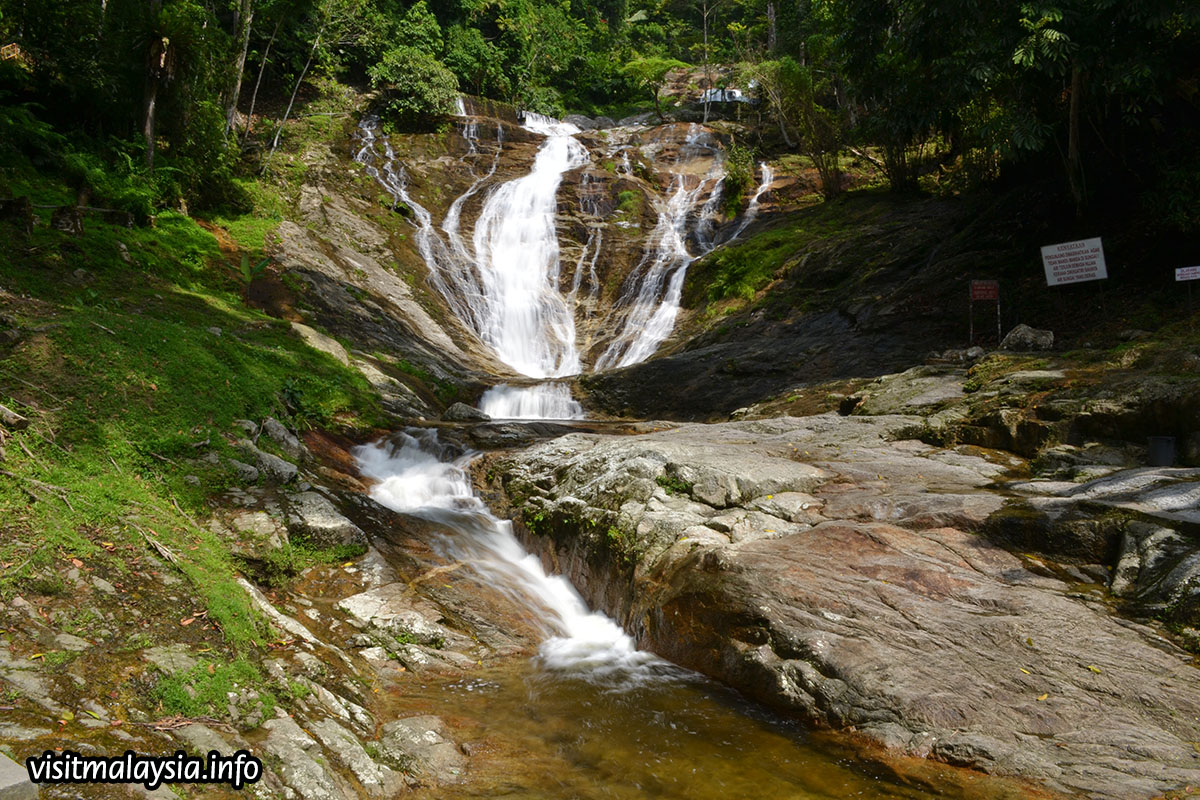
Cameron Highlands is home to unique ecosystems, rare plants and ancient forests.

Efforts are continuously made to protect these environments through responsible tourism, forest conservation and sustainable farming.

Visitors are encouraged to explore with care, respect the natural surroundings and help preserve the region’s beauty.

Nature

Why This Place Is Special

What makes Cameron Highlands truly special is the harmony between nature, culture and peaceful living. The cool air, scenic landscapes and slow-paced lifestyle create a warm and calming atmosphere that stays in visitors’ memories.

Whether it’s watching the sunrise over the tea fields or walking through misty forests, every moment here feels like a gentle escape into nature.

How To Go

Nestled among the mountains of Pahang, Cameron Highlands lies just over the border of Perak. Connected by road, local visitors often drive up with personal vehicles, but bus and mini van services are available from major destinations across Malaysia such as Kuala Lumpur, Ipoh and Penang as well as Singapore. There are four major gateways by highway; Tapah, Simpang Pulai, Sungai Lipis and Gua Musang.

In Camerons, Uniregal operates the local bus service that plys the main road from Freesia Terminal in Tanah Rata to Kampung Raja, passing through Brinchang, Kea Farm, Tringkap and Kuala Terla. Another great way of moving around Camerons is by joining a tour from operators or hotels in town - these cover most tourist attractions within a day.

Direction

  1. From South (Kuala Lumpur, Malacca, Johor and Singapore), the most popular gateway is through Tapah Town. The exit from North-South Highway follows a narrow trunk road that cuts through a lush mountain range for about 40km (an hour's duration; drive is slow as road is windy) up to Ringlet, the first township of Camerons.
  2. The second most used route is via Simpang Pulai Highway (20km before Ipoh/30km after Tapah along the North-South Highway) used mostly from North (Penang). Some travellers from South prefer this gateway despite extra distance, as the highway is wider and provides greater visibility. The highway exits at Kampung Raja to Camerons.
  3. A third gateway arrives from Gua Musang in Kelantan, cutting through Lojing Highlands until it reaches the same interchange to Kampung Raja. Finally, the most recent gateway is from Kuala Lipis/Raub (by extension, East Coast), a remote highway that connects from Sungai Koyan through Pos Betau to Bertam Valley, a village town located slightly below Ringlet.
Direction Ticket

Getting Around

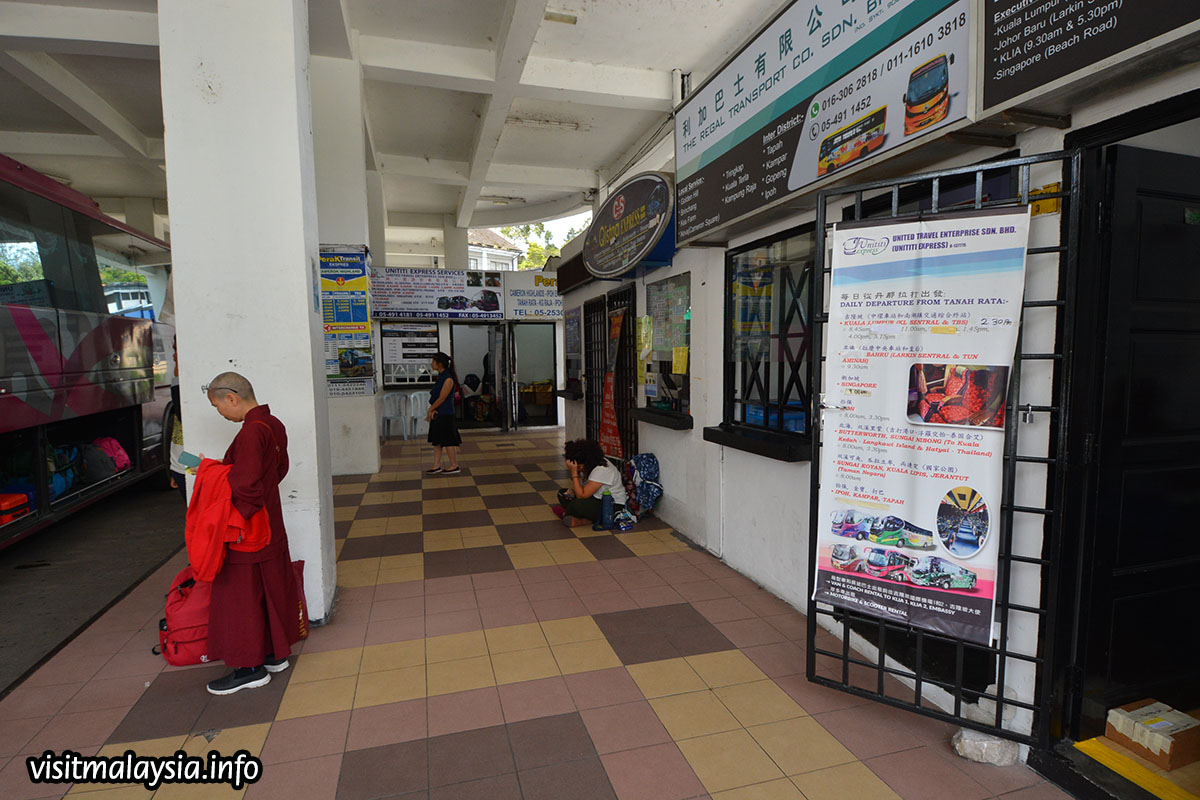
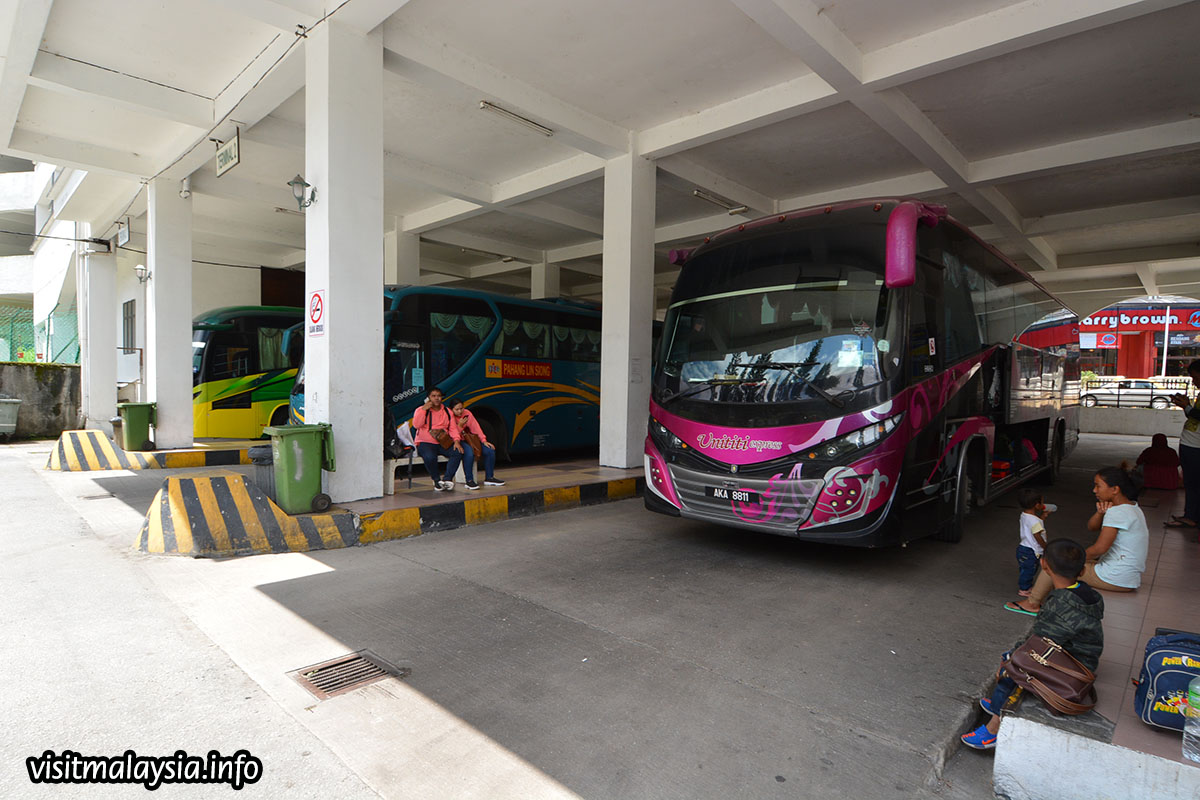
  1. Freesia Terminal in Tanah Rata is the central transportation hub of Camerons, accepting and discharging travellers to major bus terminals in Kuala Lumpur, Singapore, Johor, Melaka, Kuala Perlis, Jerantut, Gua Musang, Kuala Besut, Ipoh, Penang/Butterworth, Hatyai and Taman Negara. The local bus service Uniregal also begins its route through Camerons from here, moving on an hourly basis.
  2. Taxi counters are located at Freesia Terminal and also Brinchang Town square, where visitors may charter cabs for a minimum of three hours. Tour counters may be found around the shophouses and hotels of town, where transport by van/Range Rover is included with trips. Finally, motorcycles may be rented from backpacker lodges in Tanah Rataif self-driving is preffered.
Bus

Map